New phones don’t come cheap anymore, which is why many UK buyers are turning to refurbished devices instead. But what is a refurbished phone, and are they actually worth it?
In this guide, we break down how refurbished phones work, their pros and cons, and whether they’re a smart buy.
What is a refurbished phone?
New phones seem to cost an arm and a leg these days, so it’s no surprise more people are looking for cheaper alternatives. Refurbished phones are often much more affordable - but are they actually any good?
In this guide, we’ll explain what a refurbished phone is, how they compare to new devices, and whether they’re worth buying in the UK.
Are refurbished phones good?
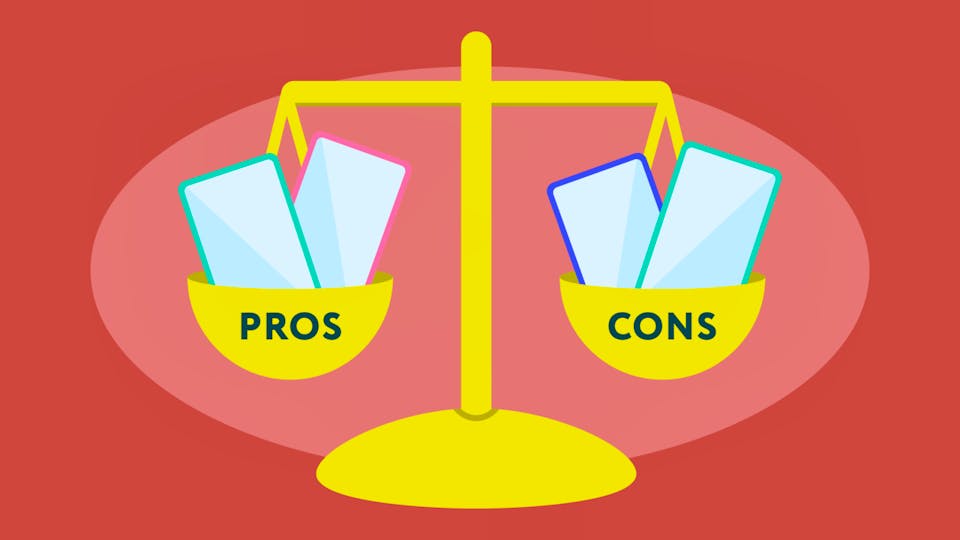
As with basically anything, there are benefits and drawbacks to refurbished phones. For the most part, they are a big benefit if you’re looking for a more cost-friendly option for the newer flagship devices. But there’s more beneath the cheaper cost - both positive and negative.
Pros of refurbished phones
Cheaper than new - Obviously the biggest draw for refurbished phones is that they are typically cheaper than buying new. Depending on the condition, they can either be slightly cheaper or considerably cheaper. Either way, they cost less than off the shelf.
Better value for flagship models - Want the latest flagship, even the one that came out just last month? The top refurbished device marketplaces will likely have some to offer.
Quality assured & grading system - Refurbished phones are better than buying used as they will be quality checked and fixed where needed. As long as the phone is in a good operational state, they’ll take it and fix it up, and some will then give it a grade so you know the quality you’re getting.
- Fair: Visible signs of use but still in great working condition
- Good: Light marks or small signs of wear but still fully functioning and thoroughly tested
- Excellent/Very Good: In perfect working order with only the slightest signs of use
- Premium/Pristine/Like New: Virtually no signs of use, fully tested and checked to have all original components, and typically a higher minimum battery health. The most expensive option but still cheaper than buying new
Each site has their own grading system and tests so be sure to check the standards.
Battery health - A key point you should want to look at, a refurbished phone means it has previously been used so the battery health will have depleted slightly. Thankfully, most refurbishers won’t offer devices that have a battery health that is too low. With the best quality grade, typically this means no lower than 90%, or some have a ‘New battery’ option.
Often come with warranty - Like buying new, most good refurbishers will offer warranty on purchased devices, typically 12 months but can range between that up to 3 years. This covers things like technical defects or faults not caused by the buyer, and it is generally free or there will be an option for extended/premium warranty for a cost.
More sustainable - Buying a refurbished phone reduces electronic waste (e-waste) and the need to manufacture new devices, which lowers environmental impact/carbon footprint.
Cons of refurbished phones
Cosmetic imperfections - Unless you’re buying like new/pristine, the device you receive will likely have some cosmetic marks. It won’t impact the running of your phone, but if you’re expecting brand-spanking new from a fair grading, be ready for disappointment.
Shorter lifespan (sometimes) - A refurbished phone has already been used, so some of its components (especially the battery) may not last as long as a brand-new device. While the refurbishers will verify the parts are still in good working order, they will have already been used which means they are slightly more worn down when compared with that of new. New phones come with a few years of software updates, but if you’re buying a phone that is 2-3+ years old, you’ll receive fewer of these updates.
Not always original parts - Some refurbished phones may include replacement parts that aren’t from the original manufacturer, depending on how they were repaired. This may not apply to the better gradings as they generally have been tested and verified as manufacturer standard, but for lower grades this may be the case.
Shorter warranties - While most (if not all) do offer some kind of warranty, it is generally lower than that offered by the original phone manufacturers.
Missing accessories - Sometimes all you get is the phone. Often a charger or at least USB cable is included as well as a SIM tray opening tool, but be sure to check the site you’re buying from as they’ll detail what will come in the box.
Are refurbished phones worth it?
Refurbished phones are often worth it, especially if you’re looking to save money on a high-end device without paying full price.
As long as you buy from a reputable seller and check things like warranty, battery condition, and grading, they can offer excellent value compared to buying new. While they may not always be in perfect cosmetic condition, the performance is usually very similar, making them a smart choice for many UK buyers.
What to check before buying

Before buying a refurbished phone, it’s worth checking a few key details to make sure you’re getting good value:
- Quality checks and standards: Look for devices that have been fully tested, repaired, and certified to meet working standards before resale.
- Condition and grading: Check how the phone is graded (e.g. Excellent, Good, Fair) so you know what to expect in terms of cosmetic wear.
- Warranty and return policy: A warranty - ideally around 12 months or more - plus a clear return policy gives you peace of mind if anything goes wrong.
- Seller reputation: Buy from a reputable refurbisher or retailer with strong reviews, as quality can vary between sellers.
- Network compatibility and unlock status: Most refurbished phones are unlocked, but it’s still worth checking they’ll work with your network or SIM-only plan.
- Included accessories: Check what’s in the box, as refurbished phones don’t always come with original chargers or extras.
Where to buy refurbished phones in the UK
There are a number of trusted and reputable refurbishers in the UK, each offering a strong standard of devices.
Back Market has become a go-to for many buyers, while MusicMagpie has been a well-established and trusted name since 2007. With these platforms, you can also sell your old devices, making it easier to clear out unused tech and put it towards an upgrade.
You can also check directly with mobile networks. Providers like O2, Vodafone, GiffGaff and VOXI often sell refurbished phones at competitive prices, sometimes alongside flexible plans.
When weighing up your options, it’s worth comparing the overall cost of a refurbished phone against other ways of buying. For example, pairing a refurbished device with one of the latest SIM-only deals can often work out cheaper than a traditional contract.
Refurbished phones vs new phones vs second-hand phones
To help you compare your options, here’s how refurbished, new, and second-hand phones stack up.
Feature | New | Refurbished | Second-hand |
| Price | Can be very expensive | Cheaper | Cheapest |
| Condition | Perfect | Varies - better grade, better condition | Sold as-is, high risk of defects |
| Warranty | Full | Usually | None |