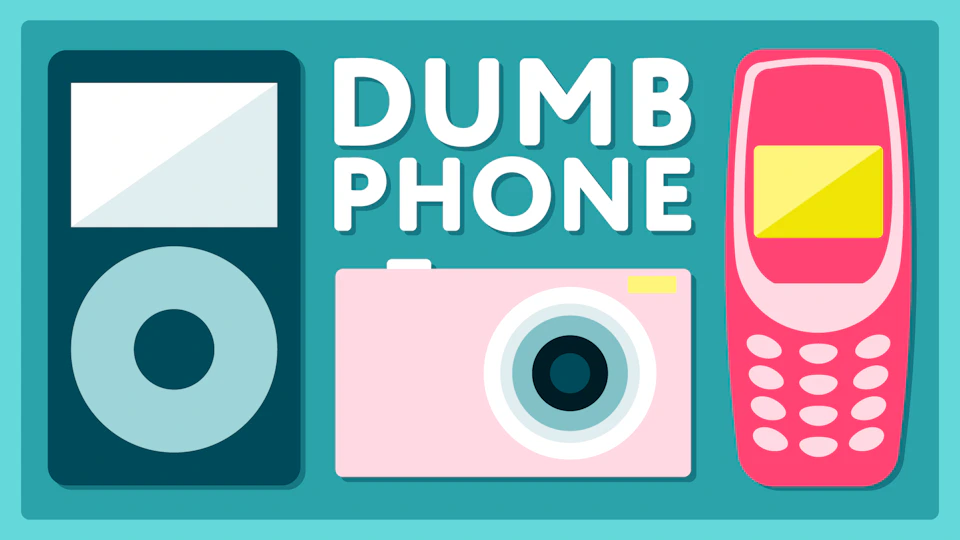
As our lives become increasingly tied to our phones, a growing number of people are longing for a more analogue world. To combat the constant stream of digital stimulation, some are turning their backs on their glossy smartphones in favour of the clicky, tactile world of ‘dumbphones’.
What is a dumbphone?
A “dumbphone” is quite simply the opposite of a smartphone - this is a term to refer to non-touchscreen, older-style phones with little to no access to the internet that are used primarily for calls and texts. In a world that often requires you to have a smartphone, this can be a challenge; however, for those who feel shackled by their digital lives, it can be a form of freedom.
Why are people getting dumbphones?
With nearly 40% of Brits aged 18 to 30 believed to show signs of smartphone addiction, it’s no wonder people are looking for an alternative. Unhealthy phone use and screen addiction can contribute to feelings of perceived loneliness, disrupted sleep, and exacerbate mental health problems.
This has caused concern around the effect smartphones have on young brains, leading to smartphone bans in schools internationally - garnering a sharp rise in the need for dumbphones.
However, thanks to the neuroplasticity of our brains, it’s possible to rewrite our unhealthy digital habits and reclaim our attention spans! A less distracting phone can help cut the noise and redirect energy into healthier uses of our time.
Nostalgia is another motivator to unplug and opt for a phone more akin to those from 15-20 years ago, with some dumbphone converts putting together ‘analogue bags’ of items that smartphones have replaced, such as cameras, notebooks, and music players. This can make actions such as taking a photo or writing down a thought more intentional, giving you space to slow down and reflect.
However, with an estimated 55 million people in the UK owning a smartphone, it’s clear that the convenience and ease-of-use of these devices have made them an obvious, and, in some cases, non-negotiable choice.
Is a dumbphone right for me?
When deciding if a dumbphone is a good option for you, it’s important to consider how you use your phone. Depending on your phone usage, these handheld devices can bring pros and cons.
Smartphones are fantastic for features like GPS navigation, mobile pay, and instant access to information - giving you everything you might need squeezed into one device. You may find that a dumbphone just doesn’t meet your needs, needing access to smartphone features for things like work, family, or accessibility.
However, if you find your screentime climbing, and are facing digital fatigue, information overload, or social media overuse, it may be worth considering switching to a dumbphone - or converting your smartphone into a ‘dumber’ version.
How can I turn my smartphone into a dumbphone?
Dumbphones work by there being less to get distracted by: no social media, no ads, just texts and calls. But this doesn’t mean you need to buy a new device to get started on your digitally-mindful life.
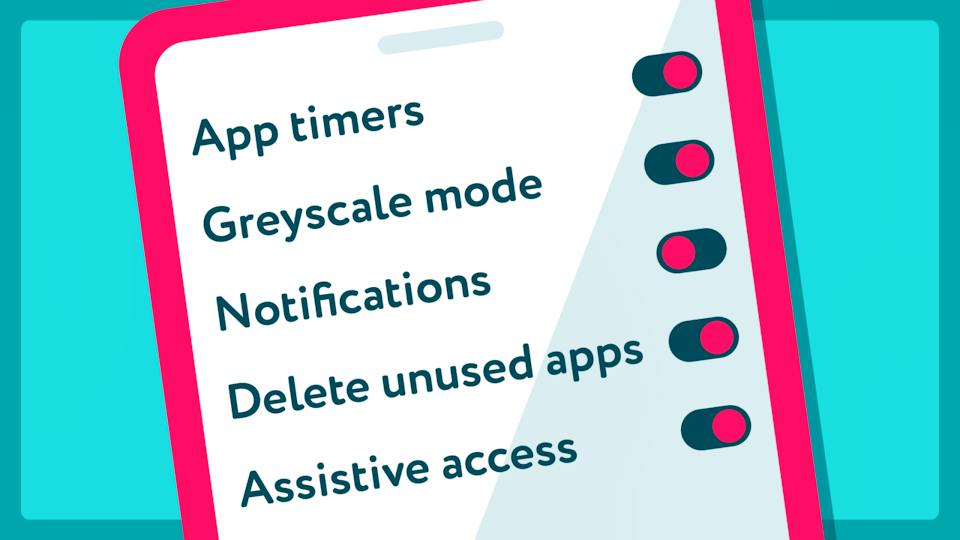
Stripping your smartphone back to a simpler, less addictive version can be achieved by:
- Using app timers
- Switching to greyscale mode
- Turning off notifications
- Deleting unimportant apps
- Switching on ‘assistive access’ (iPhone only)
Applying these features can bring your screentime down, making you less reliant on your phone overall.
Originally intended as an accessibility tool, the ‘assistive access’ feature available on iPhone can be used to combat distraction. Replacing your phone’s visual interface with a simplified large-button format, this mode shows only your selected apps. This mode requires a passcode to turn off, making switching it off a more intentional choice - helping break the habit of mindlessly reaching for your phone.
There are also a whole host of apps designed to ‘dumb down’ your phone by blocking apps, setting timers, and transforming your display into minimalistic text-based menus.
What are my options?
It can feel like we need the latest top-of-the-line phone, but it’s not always true. If you would like the convenience of a smartphone, but don’t need the largest RAM or highest processing speeds, a budget-line smartphone may be a good choice for you. Devices such as the Samsung Galaxy A17, Google 10a, or iPhone SE strike a balance between affordability and modern features. Switching to a SIM-only contract may also help ease the pressure of needing to upgrade to the latest phone and could save you some money in the process!
To learn more, read our guide on the real cost of buying a phone outright in 2026.
For some, a half-and-half approach may be better - splitting your phone use between a smartphone and a dumbphone. Taking out a SIM only contract and simply moving your sim card between phones gives you the best of both worlds - giving you access to the features and convenience of a smartphone when needed, and the simplicity of a dumbphone when you want to unplug.
For truly seamless switching without the need for multiple devices, The Fairphone may be the one for you. The Fairphone is a modern, modular smartphone with an inbuilt focus switch, transforming your phone's interface into a ‘minimalist, mindful experience designed to help you stay present’ - giving you simple access to essential apps, whilst cutting out scrolling.
If you want to go all in and make the switch to a dumbphone, but are worried about losing apps like WhatsApp, phones like the TTfone 990 or the Dumber Mini have that classic flip-phone style, whilst being compatible with Whatsapp. The Dumber Mini can also access other apps such as Google Maps and Spotify, making it easier to transition.
| Pros | Cons | |
| Smartphone | Convenient Modern | Addictive Expensive |
| Smartphone & Dumbphone | Best of both worlds | Have to physically switch phones/SIM cards |
| Dumbphone | Cheaper No distractions | Less access to useful apps Need to carry other devices |